Ive Tried Out Dozens Of Pairs Of Pyjamas From The High Street Here Are The Comfiest, Prettiest And Best Value-for-money Sets You Can Buy
By SOPHIE HINES, LIFESTYLE & DIGITAL EDITOR
Published:|Updated:
<!–<!–<!–<!–<!–<!–
Daily Mail journalists select and curate the products that feature on our site. If you make a purchase via links on this page we will earn commission –learn
Once upon a time, my Mastermind subject could have been ‘all the sparkly minidresses on the rail at Topshop.’ But now I’m firmly in my mid-thirties, I’ve become a pyjama connoisseur.
the و on و a – تفاصيل مهمة
If I have a night in, there’s nothing I love than changing into my PJs the minute I get home – sometimes before my two young kids are even in theirs. And when a colleague of mine declared she would never,everwear pyjamas (not sexy enough), I couldn’t believe it. Who could forego that level of comfort for anything, or anyone?
That said, I like a nice set of pyjamas. I do agree that a baggy old T-shirt and greying joggers are best avoided if you want to look, and crucially feel, your best. As such, I’ve amassed quite the collection of PJs, trying pairs from a variety of high street stores to seek out the very best.
My top tips include always sizing up; there is nothing worse than a too-tight pair of pyjamas, especially on the bottom half. Pick your fabric well too – satin looks great, natural, breathable fabrics such as cotton are best in extreme temperatures and jersey is the ultimate for comfort. I tend to avoid over-the-top patterns and novelty prints because I prefer something chic and classic (although each to their own, if you want a rainbow llama-print PJ set then go for it). That said, I think stripes, tartan or a very subtle print can look fabulous.
Here are my favourite pyjama picks from the high street…
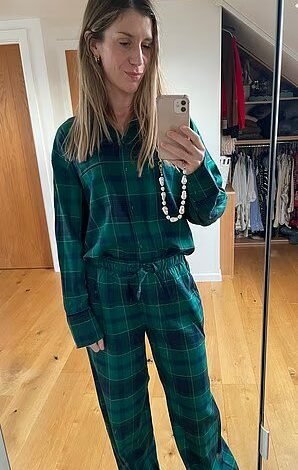
I love a Traitors-esque dark tartan, and the Scottish pattern looks great on a pair of pyjamas. These M&S ones are cosy, have handy pockets and are ideal for Christmassy mornings. One of my favourite things about them is they’re available in three lengths – short, regular and long – so the trousers aren’t bobbing around my ankles (I’m 5 ft 9). I also think they’re really good value at £32.
a و and و I – تفاصيل مهمة
Shop
I have a theory that everything from The White Company feels luxurious by dint of its pure simplicity, and these pyjamas certainly tick the box. The jersey fabric is unbelievably soft, with a nice stretch that ensures they’re never overly clingy. The subdued colour is elevated and chic (but luckily not actual white, which would show way too many coffee stains for my liking).
Shop
I love these H&M pyjamas so much I’ve bought them in several colours. They look much expensive than they are, and could pass for a much higher-end brand. They’re lightweight but with plenty of coverage, which is good if like me, you don’t want to hang around your family at Christmas in barely-there pyjamas. The navy piped pair look especially elevated.
When the You magazine team were challenged with finding the perfect knickersit turned out that loads of us are fans of Stripe & Stare (and its cotton pants in particular). The good news for PJ fans is that the brand also does nightwear, and it’s made with the same sustainable fabric choices (some of them recycled) so you can feel happy about the eco-credentials, as well as supremely comfy.
Shop
This Chelsea Peers set is perhaps loungewear than strictly pyjamas, although I’ve worn it to sleep in and it was seriously soft and cosy. I like a pyjama set I can answer the door in and not feel embarrassed, especially given my habit of organising 6.30am food deliveries and then forgetting. The all-beige co-ord has a bit of a Gen Z feel about it, although judging by my six-year-old’s praise even Gen Alpha approve.
This is about as wild as I’m prepared to go when it comes to print – a nice, subtle star motif that feels whimsical yet classy. You might associate Nobody’s Child with lovely dresses but in fact I’ve found it’s one of the best high street hotspots for pyjamas too. The nightwear is well-priced, good quality and fits nicely. Consider it a go-to for gifting.
and و of و the – تفاصيل مهمة
Shop
Depending on the temperature of your home, you might not always be reaching for a full-length pyjama set, even in the winter. Chelsea Peers has come up trumps with this shorter pair, which looks great with its bold satin stripe. I love the big bow on the shorts and the fact that once again, there are pockets.
To get of what you love from your favourite Sunday supplement, follow us on Instagram (@youmagazine), Facebook (YOU Magazine) and X (@YOUMagSocial).
Share or comment on this article: I’ve tried out dozens of pairs of pyjamas from the high street: Here are the comfiest, prettiest and best value-for-money sets you can buy
Disclaimer: This news article has been republished exactly as it appeared on its original source, without any modification. We do not take any responsibility for its content, which remains solely the responsibility of the original publisher.
Disclaimer: This news article has been republished exactly as it appeared on its original source, without any modification.
We do not take any responsibility for its content, which remains solely the responsibility of the original publisher.
Author: uaetodaynews
Published on: 2025-12-19 19:41:00
Source: uaetodaynews.com